ECOLOGICAL FEATURES OF MICROBIOCENOSIS OF THE SKIN OF MAMMARY GLANDS AND VAGINA IN PREGNANT WOMEN WITH THREAT OF PRETERM LABOR
DOI:
https://doi.org/10.11603/ijmmr.2413-6077.2017.2.8077Ключові слова:
microbiocenosis of the skin of mammary glands, mucous membrane of vagina, preterm labour.Анотація
Background. The threat of preterm birth is one of the most topical issues in the world medicine. According to the statistics, from 12-13 to 25-35 % of all pregnancies end prematurely. One of the causes of preterm labour is chronic inflammatory processes of female genital organs and disorder of microbiocenosis. Timely diagnosis and adequate treatment will reduce the risk of premature labour and avoid perinatal loss.
Objective. We examined and analysed the microflora of the skin of mammary glands and mucous membrane of vagina in healthy pregnant women and patients with threat of preterm labour.
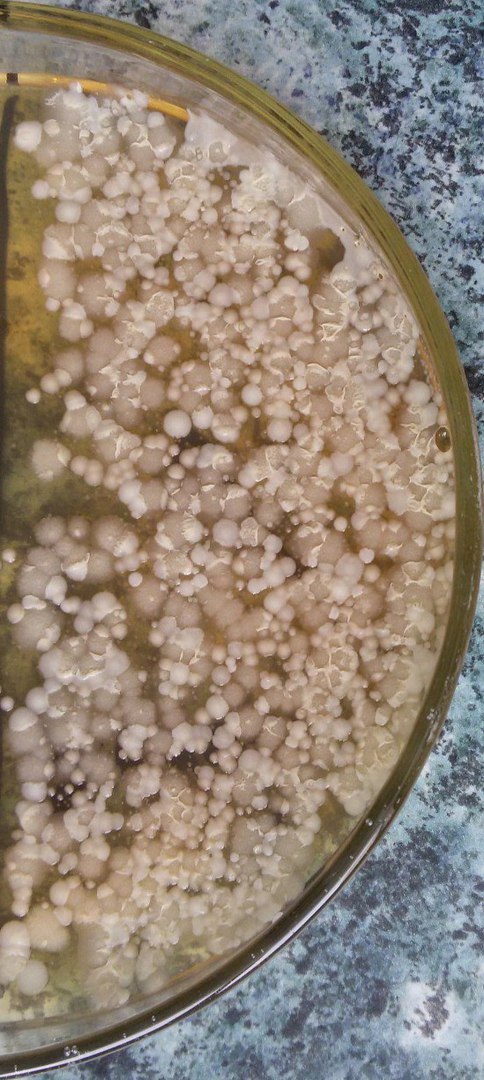
Materials and methods. The examination of the pregnant was conducted at the TRMPC “Mother and Child” in several stages. First of all, we rinsed the skin of mammary glands and smeared from mucous membrane the posterior vault of vagina with sterile swabs pre-moistened in physiological solution. After that, the tampons were placed in sterile tubes and delivered to laboratory. Sowing was carried out on Petri dishes with sterile medium: ZHSA, bloods MPA, Endo, Saburo, thioglycolic medium.
Conclusions. As a result of the research we found saprophytic Gram-positive and Gram-negative microorganisms (in women with a physiological course of pregnancy). In pregnant women with preterm labour, there was the increase in the number of St. haemolyticus from 13% to 87%, appearance of representatives of pathogenic flora – St. aureus (in 20%).
Посилання
Order of the Ministry of Health of Ukraine № 624: Premature childbirth. Accessed 03 Nov 2008.
Medved VI. Selected lectures on extragenital pathology of pregnant women. Kyiv; 2010:10–240.
Zhuk SI, KalinkaYa, Sidelnikova VМ. Missing pregnancy: a new look at the old problem. Health of Ukraine. 2007;5:1–35.
Shchurevskaya OD. Stress of mother during pregnancy: implications for the fetus and the newborn. Taking Care of a Woman. 2015;9:54–57.
Golyanovsky V. Screening and treatment of bacterial vaginosis during pregnancy. Taking Care of a Woman. 2015;5:88–92.
Reznichenko HI. Prevention of miscarriage and premature delivery. Zhinochyi likar. 2013;3:10–12.
Khmil SV, Kuchma ZM, Romanchuk LI. Obstetrics.Ternopil. Tutorials and manuals. 2010:313–345.
Ford HB, Schust DJ. Recurrent pregnancy loss: etiology, diagnosis, and therapy. Rev Obstet Gynecol. 2009;2(2):76–83.
Christiansen OB, Steffensen R, Nielsen HS, Varming K. Multifactorial etiology of recurrent miscarriage and its scientific and clinical implications. Gynecol Obstet Invest. 2008;66(4):257–267.